

Silk Screen Printing vs. Direct to Garment: A Detailed Comparison
What Is Silk Screen Printing?
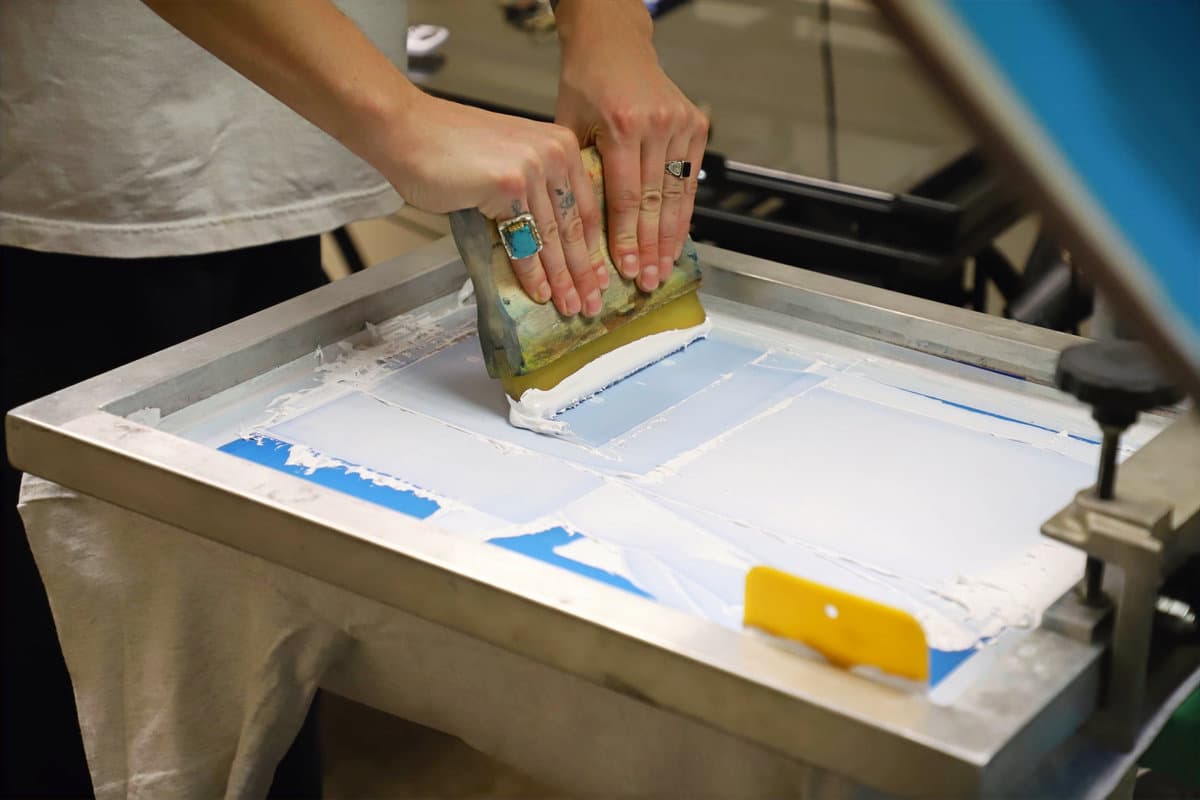
Screen printing is a printing method that involves creating a stencil on a fine mesh material and forcing ink through the mesh and onto the fabric using a squeegee. It’s known for producing high-quality, long-lasting prints and is often used on t-shirts and other apparel.
What Is Direct-to-Garment Printing?
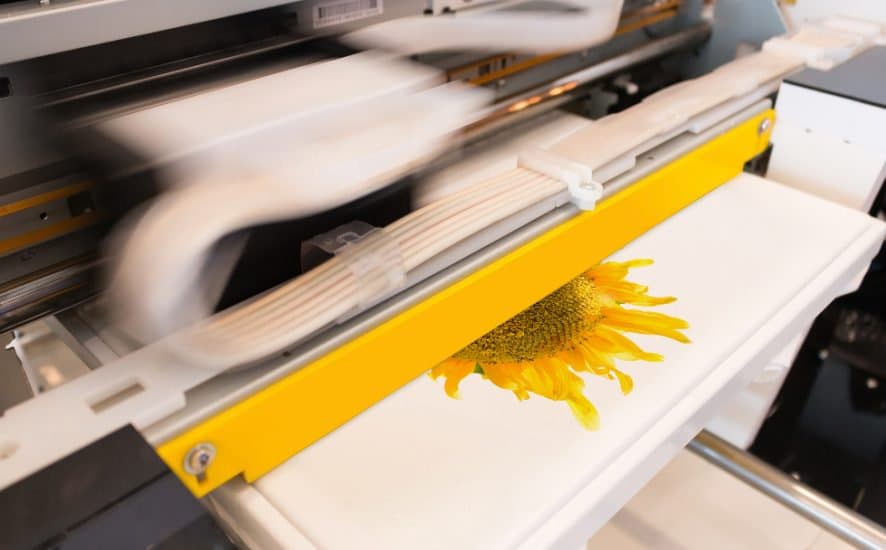
Direct-to-garment (DTG) printing is a digital printing method that prints a design directly onto a garment using specialized inkjet technology. It can produce full-color designs in a single pass and is known for highly detailed prints with a soft feel — often used for smaller quantities of custom apparel.
Print Durability
Screen printing is generally more durable than DTG because it uses thicker, more opaque inks applied in multiple layers. DTG uses thinner, water-based inks that can fade or crack over time. However, with proper care, both can last for years.
Vibrancy
Both methods can produce vibrant, colorful results. DTG printers are generally thought to produce a wider color spectrum for photographic prints, since most screen printing shops rely on CMYK, which can look dull and limited by comparison. But with simulated process printing, screen printing has no real limit on color spectrum — it’s what we specialize in at Hard Eight for vibrant, high-quality prints.
Print Resolution
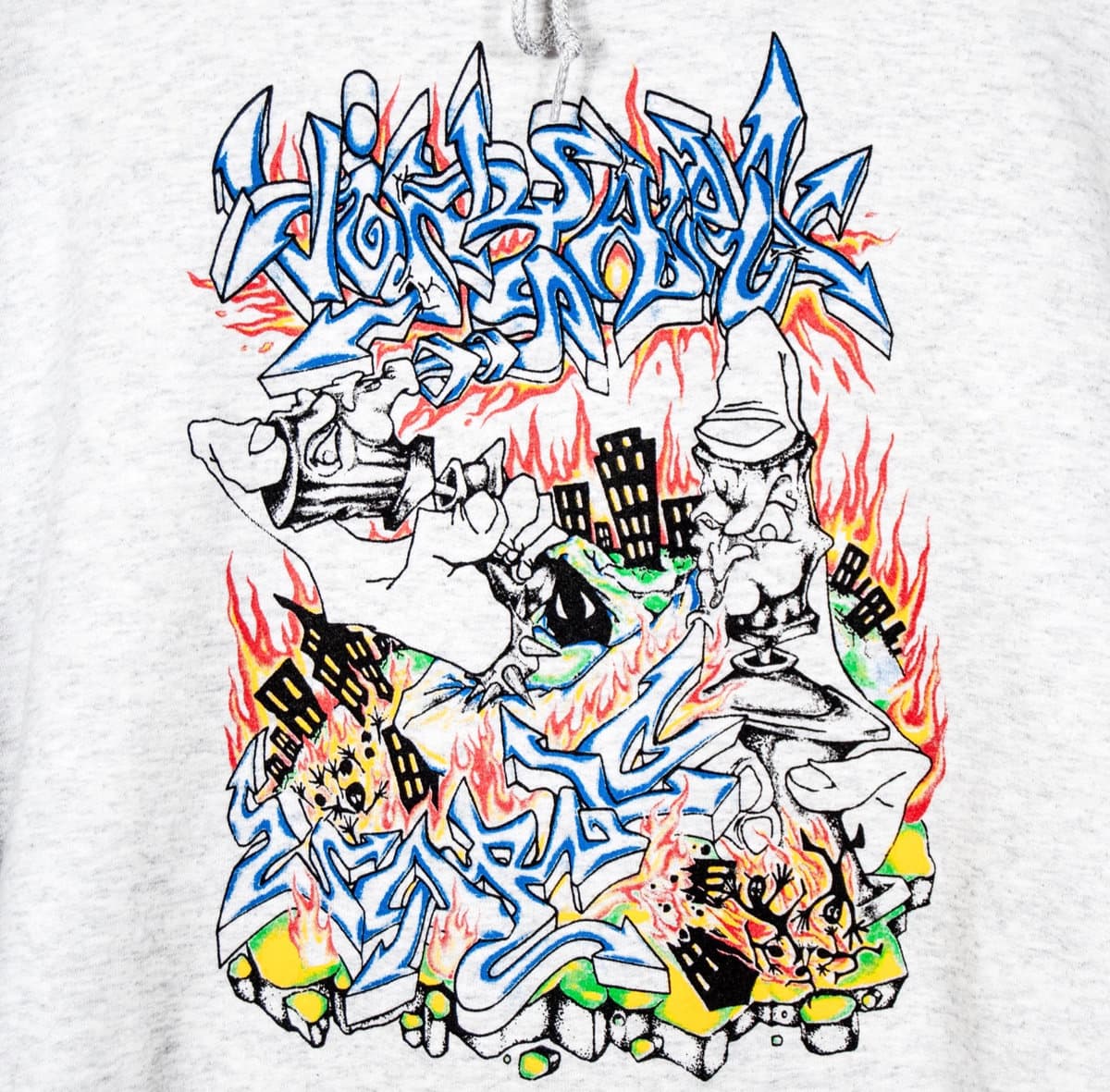
DTG printers produce incredibly detailed, high-resolution prints. Screen prints can also be quite high in resolution, but they use tiny dots — halftones — to build photographic images, which may not reach quite the same quality as DTG. Still, with smaller halftones, screen prints can achieve impressive resolution.
Print Feel
It’s a common belief that DTG prints feel softer than screen prints. That can be true compared to a screen print made with plastisol ink, but screen printing gives you the flexibility to choose your ink type — including water-based inks that achieve a soft, lightweight feel.
Minimum Order Quantity
Screen printing shops commonly require a minimum order (often around a dozen shirts) since preparing, setting up, and cleaning screens takes time. DTG printers eliminate that setup time, so shops using DTG can print just a single item — typically a minimum order of one.
Cost-Effectiveness
Screen printing is best suited for larger orders — the setup cost gets spread across more pieces, making it more cost-effective as order size grows. DTG is ideal for smaller orders since it skips setup entirely, but the cost per print is generally higher. In short: screen printing wins for larger orders, DTG can be the better option for smaller ones.
| Screen Printing | DTG | |
|---|---|---|
| Long-lasting | ✔ | |
| Vibrant colors | ✔ | ✔ |
| Photographic prints | ✔ | ✔ |
| Soft-feeling prints | ✔ | ✔ |
| Low minimum order | ✔ | |
| Discounts for larger quantities | ✔ |
Both screen printing and DTG have their own advantages depending on what you need. For a large order, screen printing is usually the better option. For smaller orders, DTG can save you time and money. If you’re unsure which method fits your project, reach out to us — we’ll help you make an informed decision and get high-quality prints at an affordable price.
Ready to get your own project started?